
| | |
| игрок | player |
| вратарь / голкипер | goal keeper |
| защитник | back |
| полузащитник / хавбек | halfback |
| чистильщик | sweeper |
| нападающий / форвард | forward |
| центральный нападающий / центрфорвард | centre forward |
| левый нападающий | left wing |
| правый нападающий | right wing |
| плеймейкер | playmaker |
| игрок основного состава | a player in the team |
| запасной игрок | substitute |
| сидеть в запасе | to be on the bench |
| | |
| судья в поле / рефери | referee |
| главный судья | main referee |
| боковой / судья на линии / лайнсмен | linesman |
| свисток | whistle |
| начало игры | the kick off |
| первый тайм | the first half |
| перерыв | half time |
| второй тайм | the second half |
| добавленное время | added time |
| финальный свисток | the final whistle |
| мяч | the ball |
| ворота | the goal |
| штанга | the goalpost |
| перекладина | the crossbar |
| крестовина | the top angle |
| сетка | the net |
| мяч в сетке | the ball is in the net |
| центр поля | the centre spot |
| центральная линия | the centre line |
| штрафная площадка | the penalty area |
| вратарская | the 6 yard box |
| флажок | the flag |
| аут | out |
| мяч в ауте | the ball is out |
| мяч в игре | the ball is in play |
| вне игры / офсайд | offside |
| гол | a goal |
| забить гол | to score a goal |
| нет гола | no goal |
| пенальти / одиннадцатиметровый | penalty kick |
| бить пенальти | to take a penalty |
| бить штрафной | to take a free kick |
| свободный удар | indirect free kick |
| штрафной удар | free kick |
| удар от ворот | a goal kick |
| угловой удар | a corner |
| подать угловой | to take a corner |
| бросать из аута | to throw in |
| вбрасывание | a throw in |
| счёт | the score |
| победа | victory |
| поражение | a defeat |
| ничья | a draw |
| стенка | a wall |
| стенка из пяти человек | a five-man wall |
| рикошет | a deflection |
| сделать навес / навесить | to bend the ball |
| | |
| тактика | tactics |
| тренировка | training |
| разминка | warming-up |
| тренировочный процесс | the training process |
| техника | technique |
| техническое мастерство | technical skill |
| дриблинг | dribbling |
| финт | a dummy |
| отбор мяча | a tackle |
| передача / пас | a pass |
| передать мяч / дать пас | to pass |
| играть персонально с / опекать | to mark someone |
| взвинтить темп игры | to speed up the game |
| прибавить скорости в игре | to speed up the game |
| снизить темп игры | to slow down the game |
| играть на контрактаках | to play counterattacking football |
| играть в открытый футбол | to play open football |
| играть на удержание счёта | to close the game down |
| играть в нападении | to play attacking football |
| играть в защите | to play defensively |
| | |
| травма | an injury |
| серьёзная травма | a serious injury |
| лёгкая травма | a slight injury |
| замена | a substitution |
| нарушение правил | a foul |
| предупреждение | a warning |
| жёлтая карточка | a yellow card |
| красная карточка | a red card |
| удаление | a sending off |
| | |
| удар | a kick |
| прострел | a centre |
| простреливать | to centre the ball |
| удар головой | a header |
| играть головой | to head the ball |
| игра головой | heading the ball |
| играть рукой | to handle the ball |
| игра рукой | handball |
| принять мяч на грудь | to chest the ball |
| обработать мяч | to keep the ball |
| ударить щёчкой | to kick with the inside of the foot |
| ударить пыром / носком | to toe the ball |
| ударить пяткой | to backheel |
| ударить шведкой | to kick with the outside of the foot |
| | |
| команда | team |
| тренер | coach |
| сборная страны | national team |
| болельщик | a fan |
| болеть за | to support |
| чемпионат (России / Италии) по футболу | the (Russian / Italian) football championship |
| премьер лига | the premier league |
| первая лига | the first league |
| чемпионат мира / кубок мира | the world championship / cup |
| чемпионат / кубок Европы | the European championship / cup |
Глоссарий на английском языке
| | |
| a match | two teams playing against each other in a 90-minute game of football |
| a pitch | the area where footballers play a match |
| a referee | the person who makes sure that the players follow the rules. Normally wears a black shirt and shorts, and has a whistle |
| a linesman (referee’s assistant) | the person whose main duty it is to indicate with a flag when the ball has gone out of play or when a player is offside |
| a goalkeeper | the player in goal who has to stop the ball from crossing the goal-line. The only player who is allowed to handle the ball during open play |
| a defender | a player who plays in the part of the football team which tries to prevent the other team from scoring goals, e.g. ‘Kolo Toure is a defender and plays in defence for Arsenal and Ivory Coast’. |
| a midfielder | a midfielder — a player who plays mainly in the middle part of the pitch (or midfield), e.g. Michael Essien is a midfielder and plays in midfield for Chelsea and Ghana |
| an attacker | also called a forward; a player whose duty it is to score goals, e.g. Samuel Eto’o is an attacker and plays in attack for Barcelona and Cameroon |
| a skipper | the player who leads a team, also called the captain |
| a substitute | a player who sits on the bench ready to replace another team-mate on the pitch. Can also be used as a verb, e.g. the manager was not happy with his attacker and substituted him after 60 minutes |
| a manager | the person in charge of a team and responsible for training, new players and transfers. For example, Alex Ferguson is the manager of Manchester United |
| a foul | a violation of the rules. For example, if a player other than the goalkeeper handles the ball in the penalty box (or penalty area) it is a foul and a penalty is given to the other team |
| a booking | a yellow card shown to a player by the referee for a serious foul. Two bookings or yellow cards result in a red card or sending-off |
| full-time | the point of the game when the referee blows the final whistle and the match is over. Normally after 90 minutes and any added injury or stoppage time |
| injury time | also called stoppage time, added minutes at the end of the regular playing time at half-time or full-time. Entirely at the referee’s discretion and normally indicated by an official on the sideline (or touchline) |
| extra time | if a match has no winner at full-time, 2 x 15 minutes of extra time may be played in some competitions |
| offside | in a position which is not allowed by the rules of the game, i.e. when an attacking player is closer to the opposing team’s goal-line at the moment the ball is passed to him or her than the last defender apart from the goalkeeper |
| the score | the record of goals that indicates who is winning. The final score is the result that decides who has won the match . Can also be used as a verb, e.g. the attacker scored a beautiful goal |
| to concede | to allow a goal in, the opposite of scoring a goal. For example, Ghana conceded only four goals in the World Cup qualifying group 2 |
| a goal | a successful attempt at scoring achieved by putting the ball over the goal line into the goal past the goalkeeper. For example, Gyan Asamoah has scored a beautiful goal for Ghana |
| an own goal | a goal scored accidentally by a member of the defending team that counts in favour of the attacking team |
| the lead | when a team scores first it is «in the lead», i.e. winning the match at the point of scoring. For example, Fabrice Akwa’s early goal gave Angola the lead after 72 minutes but the final score was 1-1 (one all) |
| an equaliser | a goal that cancels out the opposing team’s lead and leaves the match tied or drawn. Can also be used as a verb, e.g. Marouan Chamakh equalised for Morocco after 40 minutes and brought the score level |
| to win | a match in which a team is victorious and beats the other team. A win normally gives the winning team three points, the losing team does not get any points. More commonly used as a verb, e.g. Brazil won the World Cup in 2002 |
| a draw | a match that ends in a tie, i.e. has no winner or loser. The teams get one point each for a draw. Can also be used as a verb, e.g. Congo drew 0-0 (nil all) with Senegal in June |
| a defeat | a match that is lost, the opposite of a win. For example, Sudan suffered a home defeat to Zambia in September 2002 |
| to knock out | to eliminate another team from a competition. For example, in the last World Cup Brazil knocked out England in the quarter-finals |
| a penalty shoot-out | in a knock-out competition, a penalty shoot-out takes place if a match is a draw after full-time or extra-time. Five players from each team take a penalty each, and if the score is still level after that, one player from each team takes a penalty in turn, in order to decide who wins the match |
| a goal difference | If team A has scored four goals and team B one, the goal difference is three |
| a head-to-head | a way of deciding which team is ranked higher if two teams are level (or equal) on points. For example, if team A and B both have six points, but team A beat team B in the head-to-head game, team A will be ranked above team B |
| a play-off | an extra match to decide which of two or more teams should go through to the next round. For example, Australia beat Uruguay on penalties in a play-off to qualify for the World Cup 2006 |
| the away-goal rule | in some competitions, e.g. the UEFA Champions’ League, a rule that rewards teams for scoring away from home over two legs (or matches). For example, in 2005 AC Milan beat PSV Eindhoven 2-0 at home (in Milan) but lost 1-3 away in Holland. So both teams had scored three goals and conceded three goals, but because AC Milan had scored a goal away from home it went through to the Champions’ League final on the away-goal rule |
| to kick | to hit something, or somebody, with your foot. In football, the players kick the ball. |
| to shoot | to kick the ball towards the net at one end of the pitch (the goal) in an attempt to score a goal |
| the kick-off | the first kick of the game when two players from the same team in the centre circle play the ball and start the match. Also the first kick after half-time or after a goal has been scored |
| a goal-kick | a kick taken from the 6-yard line by the defending team after the ball has been put over the goal line by the attacking team |
| a free-kick | the kick awarded to a team by the referee after a foul has been committed against it |
| a penalty | a free shot at goal from 12 yards (11 metres or the penalty spot) awarded by the referee to a team after a foul has been committed in the penalty area |
| a corner | a kick from the corner flag awarded to the attacking team when the ball has crossed the gaol-line (or byline) after last being touched by a player of the defending team |
| a throw-in | a throw is taken from the sideline (or touchline) after the ball has gone out of play. The only time a player can handle the ball without committing a foul |
| a pass | a kick of the ball from one player to another. Can also be used as a verb, e.g. the defender passed the ball to the midfielder |
| a cross | a pass from the side of the pitch into the penalty area in an attempt to find an attacker and score a goal. Can also be used as a verb, e.g. the defender crossed the ball into the penalty area |
| a one-two | a passing move in which player 1 passes the football to player 2, who immediately passes it back to player 1 |
| a header | the «shot» that occurs when a player touches and guides the ball with his or her head. For example, El Hadji Djouf scored with a fine header. Can also be used as a verb, e.g. the defender headed the ball back to the goalkeeper |
| a backheel | a kick where the ball is hit with the heel (or the back) of the foot. Can also be used as a verb, e.g. Nwankwo Kanu back-heeled the ball to Thierry Henry |
| to volley | to kick a moving ball from the air before it hits the ground. Can also be used as a noun, e.g. Jay Jay Okocha’s beautifully-struck volley beat the goalkeeper at the near post |
| a clearance | a defensive kick that is intended to put the ball out of danger, e.g. Peter Odemwingie’s clearance went out of play for a throw-in |
| one-touch football | an often admiring reference to a style of football in which a team can pass the ball quickly from one player to another without the need to control it with more than one touch |
| the long-ball game | an often disapproving reference to a style of football in which a team prefers to play long balls in the hope that an attacking player will get them, flick them on or score |
| keep possession | to be able to keep the ball and prevent the opposing team from touching it. The opposite of «lose possession» or «give the ball away» |
| they are dangerous on the counter-attack | referring to a team that can switch quickly from defence to attack and score goals in that way |
| put eleven men behind the ball | referring to a team that defends with all the players and is not very interested in scoring goals. For example, many visiting teams put eleven men behind the ball and are happy with a 0-0 draw when they play Real Madrid at the Bernabeu stadium |
| send the keeper the wrong way | refers to the way in which a player can fool the goalkeeper and pretend to shoot at one side of the goal while the ball goes in another direction. This expression is used often during penalties |
| a clinical finish | referring to a well-placed, controlled shot from a scoring position that ends in a goal. For example, Tunisia’s Hatem Trabelsi controlled the pass and scored with a clinical finish |
| his/her first touch let him/her down | this means a player was unable to control the ball (or pass) with his or her first touch and as a result lost precious time or even possession |
| they are strong in the air | referring to a team that has a lot of (tall) players who can head the ball very well. As a result, they are strong in the air, may prefer the long-ball game, and score a lot of goals with headers while not conceding any or many headed goals themselves |
| they have a big physical presence | referring to a team that has a lot of big and physically strong players and, as a result, prefers a very robust style of play. For example, Bolton Wanderers have a big physical presence and are a difficult team to beat in the Premiership |
| the goalkeeper is quick off his/her line | referring to a goalkeeper who is fast and makes quick (and normally correct) decisions as to when to leave the goal in order to prevent an attacking player from reaching a pass or cross |
| that shot stung the goalkeeper’s palms | referring to a shot on goal that is so hard that the goalkeeper might well have felt pain when he/she stopped it with his/her hands |
| a prolific goal scorer | referring to a player, normally a striker, who scores or has scored a lot of goals. For example, Henrik Larsson is a prolific goal scorer for Sweden |
| the foul earned him/her a suspension | referring to a foul that is punished by a yellow or red card and results in the player being banned from playing in the next game(s). For example, the two-footed tackle earned the defender a suspension and he will miss the next game |
| put it in the back of the net | to score a goal, e.g. Nigeria and Middlesbrough striker Aiyegbeni Yakubu controlled the cross and calmly put it in the back of the net |
| man on! | shout during a football match to warn a team-mate that a player of the other team is right behind. Often a call to pass the ball quickly |
| a nutmeg | a trick or technique in which a player passes the ball through an opponent’s legs and then collects it from the other side. Can also be used as a verb, e.g. the attacker nutmegged the defender |
| bang it in the mixer! | a shout to encourage a player to play a long ball into the penalty area (i.e. the «mixer») in the hope that an attacking player will get on the end of it and score |
| we was robbed | an expression to signal that a defeat was unjust, possibly due to an injustice committed by somebody else. For example, we was robbed by the ref (the referee) |
| s/he’s got a sweet left foot | referring to a player who is very skilful at kicking the ball with her/his left foot (the majority of footballers play with their right foot) |
| s/he pulled off a great save | referring to a very strong, quick or acrobatic stop of a shot by the goalkeeper |
| they hit the woodwork | the crossbar or the post of the goal. This expression means a team kicked the ball against the crossbar or post and was very unlucky not to score |
| they got stuck in | referring to a team whose players showed a lot of determination and fought very hard during a match |
| s/he ran the defence ragged | referring to an attacking player who made the defence work very hard and made the defenders look uncomfortable or unprofessional |
| s/he’s got a lot of pace | this player is very fast |
| the goalkeeper made a howler | this means the goalkeeper made a very basic mistake (and probably let in a goal) |
| to switch play | to change direction of play and pass the ball from one side of the pitch to the other. For example, she switched play from left to right wing (the left-hand side of the pitch to the right-hand-side) |
| s/he made a nuisance of herself/himself | referring to a player, normally a striker, who fought very hard and used his physical presence to put the defenders under pressure and forced them to make mistakes |
| it’s a game of two halves | an expression referring to the fact that a football match can change unexpectedly over 90 minutes, and especially between the first half and second half of the match |
Источник: http://www.bbc.co.uk/worldservice/learningenglish/grammar/vocabulary/football.shtml
Прочитайте и переведите текст.
Football (Soccer)
Football is one of the world’s most popular games. It is played in nearly every country, by everyone from kids in vacant lots and back streets to professional players in giant stadiums. Professional football is watched by billions of people all over the world, and is probably the world’s most popular spectator sport.
History
The earliest known form of the game was developed in China around 500 B.C. It was known as cuju (‘kick-ball’) and was played with a leather ball. The object was to kick the ball into a net stretched between two goal-posts. By 800 A.D. there was a well-organized professional league in China, and similar games were also being played in Korea and Japan.
The earliest form of the game that we know of in Europe was played in England around 1100 A.D. It was played between big teams, sometimes whole villages, on a large field, and the ball could be thrown, kicked, or carried towards the opponent’s goal. There were very few rules and games were often wild and rough. The game was repeatedly banned by the authorities because of the violence and injuries it caused.
The modern game first developed in England in the 19th century. The Football Association was set up in 1863 and the ‘Laws of the Game’ were drawn up in the same year. In 1882 the International Football Association Board (IFAB) was formed, and this organization still oversees the rules of the game. Then FIFA (Federation Internationale de Football Association) was founded in 1904 to run international competitions. FIFA still runs the World Cup, as well as regional competitions such as the European and Asian Cups.
How the Game Works
The modern game is played by two teams of eleven players on a rectangular field with a goal at each end. Players pass the ball to each other by kicking or heading it, with the aim being to score goals by getting the ball into the opponent’s goal. The game lasts for two 45-minute halves, and the team scoring the most goals wins. Draws are common, but if a winner has to be found, a game can go into extra time. If the score is still tied after thirty minutes of extra time, a ‘penalty shootout’ can decide the winner.
In general play, the goalkeeper is the only player who can touch the ball with the hands or arms. All the other players can kick or head the ball only. Players can tackle an opponent in order to get the ball from them, but must do so without pushing or tripping the player. Pushing and tripping, along with other illegal actions such as ‘handball’ and ‘offside’, are fouls that can be penalized with a free kick. If a foul is committed in the penalty area near either goal, the referee can award a penalty kick, meaning a player can have a free shot at goal, with only the goalkeeper being allowed to try to block it. If a player commits a more serious offence, such as dangerous play, the referee can issue a yellow card as a warning, or issue a red card, in which case the player is sent off and cannot be replaced by a substitute. Teams are normally allowed three substitutes, which can be used to replace players because of injury, or for tactical reasons.
Источник: http://www.englishclub.com/vocabulary/sports-football.htm

2
Как на английском пишется футбол?
9 ответов:

6
0
Футбол – игра, которая влюбила в себя миллионы людей по всему миру. За противостоянием двух команд из одиннадцати человек любит наблюдать стар и млад. По всему миру ежегодно проходят сотни матчей по футболу.
Родиной футбола считается Англия, хотя игры с мячом были распространены и в Китае, и в Древнем Риме. Свою популярность игра начала в 19 веке, когда считалась забавой учеников колледжа.
Слово «футбол» образовано при помощи слияния двух английских слов «нога» и «мяч» («foot» и «ball» соответственно). По-английски слово «футбол» пишется как football.
В американском английском футбол – soccer, а американский футбол — football.
5
0
Если вникнуть в вопрос написания слова «футбол», то в русском языке оно относится к заимствованным и в целом оно происходит от английского словосочетания, это «нога» — foot и мяч — ball .
По сути, сразу становится понятным, как на английском языке произносится и прописывается название этой популярной игры – football.
Такое название футбола по «английский» впервые было озвучено в 15 веке, и так получилось, что оно сейчас стало общемировым обозначением этой командной игры.
Поэтому как ответ : название очень популярной спортивной игры как футбол, на английский манер, будет звучать и прописываться подобно — football.

1
0
Происхождение слова. Слово «футбол» происходит от английского «football» — «футбол», в свою очередь образовано от двух английских слов «foot» — «нога» и «ball» — «мяч». Таким образом, «футбол» буквально «ножной мяч».
0
0
Football.
В американском английском наш европейский футбол называется soccer (читается «соккер»).
0
0
Футбол — это слово заимствовано из английского языка и звучит по русски идентично. На письме выражается как слитное написание двух слов: foot — нога (голеностоп) и ball (переводится как шар или просто мяч).
0
0
Слово заимствовано из английского «Футбол», по русски оно звучит аналогично. Состоит из двух слов, а именно foot — (нога) и ball (мяч,шар). Выходит, что дословно звучит как ножной мяч, но в России не всегда переводят дословно.
0
0
Футбол на английском будет «Football, soccer».
В общем, от английского слова football наш футбол и произошел (фут — нога, бол — мяч).
В Англии употребляют слово «football»,
в Америке используют слово «soccer».
0
0
Футбольные мировые баталии на время утихли, но лингвистические вопросы на тему любимой миллионами игры ещё задаются. Один из них касается самого ее названия. В английском языке конкурируют два слова: football и soccer.
Кем-то из лингвистов создан миф о том, что слово soccer изобретено американцами для различения двух видов спорта: футбола отечественного и традиционного. В действительности оба слова берут начало на родине футбола — в Англии. В XIX в. там появились два спортивных хита: регби — игра с мячом при помощи рук, и футбол.
По пабам начали гулять соответствующие ассоциации. Первая называлась rugby football, вторая — association football. Практически сразу появились сокращенные названия: soccer и rubber.
Со временем эти слова стали известны всему миру, в частности в Канаде и США. Слово soccer было популяризовано американцами, так как позволяло отличить национальную игру руками (американский футбол) и классический футбол. Англичане же от слова soccer быстро отказались, расценив его как сниженно разговорное название любимой игры.
0
0
Все мы знаем, что такое футбол — это спортивная командная игра, основная цель которой забить мяч в ворота соперника. Собственно, из сути игры и вытекает название. Слово образуется от английских слов «foot» (нога) и «ball» (мяч).
На английском языке слово футбол пишется «football».
Читайте также
Вопрос достаточно сложный. Непросто вспомнить с первого раза. Есть один футболист, который подходит под данное описание. Он мграл в Динамо с 2007 по 2018 году, а также состоит в Национальной сборной Украины с 2009 года. Его фамилия как раз состоит из 8 букв.
Правильный ответ — Хачериди.
Гандикап в футболе, это тот отрыв, который есть у одной команды от другой, за какое то количество туров чемпионата до конца чемпионата.
Например как то футбольная команда Ювентус, за шесть туров до конца чемпионата, имела перед командой Лацио из Рима, гандикап в шесть очков, но так и не смогла в тот год, выиграть скудетто. Причем в последнем туре они играли на поле, которое было настолько мокрым, что мяч даже не скакал, но арбитр Колина дал добро на то что бы команды играли и Ювентус вообще проиграл, а Лацио выиграло и это шестиочковый гадикап, который итальянская пресса считала что отыграть невозможно, был преодолен римлянами.
У меня 2 возможных варианта по поводу фамилии тренера сборной Англии по футболу из 7 букв.
Это нынешний тренер сборной Англии — Рой Ходжсон ( 7 букв ) и его предшественник Фабио Капелло ( тоже 7 букв ).
Слово фантазиста, это чисто итальянский термин. Называют так в Италии и в итальянской футбольной лиге в частности, креативного полузащитника или такого же креативного нападающего, которые могут и пас отдать и игру вести и гол забить.

Например когда Зидан играл в Ювентусе, то его называли Фантазистой и Андреа Пирло тоже, хотя эти игроки были не нападающими, а полузащитниками. Однако этим же термином, называли и Роберто Баджо и Алесандро Дель Пьеро, которые играли немного отянутых нападающих.
Суть этого слова в том, что у такого игрока должна быть выдумка для незаурядных действий на поле, которые не смогут быть прочитаны защитниками команды соперника.
Слово мундиаль сегодня встречается гораздо чаще, чем истинное название мероприятия, приводящее к массовому безумию миллионы болельщиков всего мира раз в четыре года. Так сегодня называют Чемпионат мира по футболу.
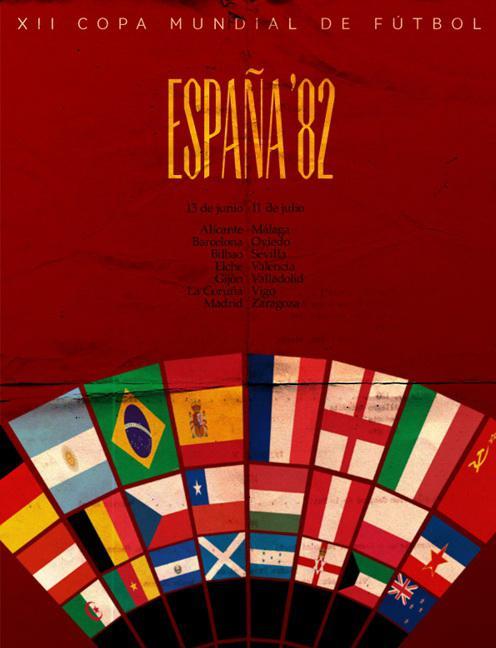
Впервые термин прозвучал в 1982 году во время проведения всемирного футбольного турнира в Испании.
«Мундиаль» переводится с испанского языка на русский, как «всемирный». В официальных сводках Международной федерации футбола испанский турнир назывался «Copa del Mundo de Futbol — Espana 82″. Позже комментаторы в купе с болельщиками трансформировали del Mundo в ставшее популярным мундиале.
Кстати, в тот год на испанский мундиале прибыло более двух миллионов болельщиков. Сколько их прибудет в Россию в 2018 — еще предстоит узнать.
Этим летом больше всего разговоров, конечно же, о футболе. ЧМ 2018 в России стал не простым Мундиалем, а Чемпионатом-открытием. Громкие провалы сильнейших сборных мира (Германия, Испания, Аргентина) и неожиданные победы команд, на которые никто не ставил (Хорватия, Россия, Япония, Сенегал). Российские и западные таблоиды пестрят футбольной лексикой. Хотите понимать, о чем пишет английская пресса, и как комментируют матчи по-английски? Тогда изучите терминологию о футболе на английском!

Почему футбол так называется?
Вполне закономерно, что сборная Англии по футболу является одной из сильнейших команд в мире, ведь в футбол в том виде, который он сейчас, зародился именно в этой стране вначале 19 века. В то время единых правил установлено не было, и командам приходилось обговаривать их непосредственно перед каждым матчем. Лишь в 1846 году удалось ввести первые единые для всех условия игры по «Кембриджским правилам».
Датой рождения футбола принято считать 1863 год, когда в Англии появилась футбольная ассоциация. Хотя известны факты, что в Италии, еще раньше появилась похожая игра под названием «гарпастум», но именно англичане смогли продвинуть этот вид спорта по всему миру, поэтому они закрепили за собой право считаться родоначальниками современного футбола.
Еще позже, в 1864 году, первая футбольная ассоциация установила правила лиги и назвала данную игру «association football», условия которой отличались от других спортивных игр с мячом, к примеру, регби. Со временем это название трансформировалось в «soccer», но сегодня этот термин используется лишь некоторых англоязычных странах, где более популярны другие спортивные состязания с мячом (регби в Австралии, гэльский футбол в Ирландии, американский – в США и т.д.).
В настоящее время в России и большинстве стран мира используется название «football», который в переводе с английского означает «ножной мяч»: «foot» – нога , «ball» – мяч. Либо производными от слов «пинать» и «нога», как в итальянском — «calcio» или хорватском — «nogomet». ФИФА и Международный олимпийский комитет также используют термин «футбол», как официальное международное название игры.

Сборная Англии на ЧМ 2018
Несмотря на то, что сборная Англии является одной из сильнейших сборных мира по футболу, последние несколько Чемпионатов дались им с трудом. Но ЧМ 2018 в России позволил им впервые за много лет почувствовать себя уверенно на Мундиале.
Английскую сборную представили игроки из таких знаменитых футбольных клубов, как «Liverpool», «Manchester United», «Manchester City», «Chelsea», «Arsenal», в котором играл даже наш А. Аршавин. Случается, что играть приходиться двум непримиримым соперникам из одного города, к примеру «Арсенал» и «Челси». Такое противостояние принято называть «derby» – «дерби» по имени графа Дерби.
На Чемпионате мира по футболу 2018 команда из Англии в очередной раз доказала свое право являться родоначальниками этого спорта, показав интересные и зрелищные игры. Миллионы болельщиков по всему миру с замиранием сердца следили за обидным проигрышем английской сборной команде из Бельгии (0:1), разгромным счетом с Панамой (6:1), напряженными победами над Тунисом (2:1) в групповых матчах, Колумбией (1(4): 1(3) в 1/8 финала, Швецией (2:0) в четвертьфинале. Но самым досадным стало поражение в матче против Хорватии в полуфинале (1:2).
Как итог, Англия заняла почетное четвертое место на ЧМ 2018. А игрок сборной Англии Гарри Кейн стал лучшим бомбардиром Чемпионата, опередив К. Роналду и Д. Черышева!

Особенности футбольной лексики на английском
Помимо того, что футбол по-английски («football») и футбол по-американски («soccer») пишутся и звучат совершенно по-разному, существует еще несколько интересных терминов в английском языке, которые нам слышать не привычно.
Если вы смотрите или слушаете ход матча на английском языке, то вы можете услышать от комментатора совершенно иное именование футбольных позиций. Например, вратаря они могут назвать голкипером (goal keeper), нападающего – форвардом (forward), а центрального полузащитника – хавбеком (half-back).
Англоязычные комментаторы футбола также одним словом могут назвать защитников – defender, но у них разные функции. Поэтому их более точные амплуа звучат, как sweeper – свободный защитник, right full back и left full back (правый защитник и левый), оттянутого полузащитника называют defensive midfielder, правого и левого – right midfielder и left midfielder.
Интересуясь узкой «специализацией» футбольных игроков, вы заметите, что их примерно 15, несмотря на то, что на поле выходят только 11 игроков. Разгадка в том, что некоторые игроки выполняют сразу несколько функций. Но обычному болельщику не обязательно вникать во все эти тонкости. Углубленные знания необходимы тренеру и профессиональным футболистам.

Таблицы терминов про футбол по-английски
Краткий словарь футбольных терминов с переводом поможет вам лучше понять англоязычных комментаторов и футбольных болельщиков.
| Игроки | |
| player | игрок |
| goal keeper | вратарь, голкипер |
| back | защитник |
| halfback | полузащитник / хавбек |
| sweeper | чистильщик |
| forward | нападающий / форвард |
| centre forward | центральный нападающий / центрфорвард |
| left wing | левый нападающий |
| right wing | правый нападающий |
| playmaker | плеймейкер |
| a player in the team | игрок основного состава |
| substitute | запасной игрок |
| to be on the bench | сидеть в запасе |
| to mark a player | опекать (закрывать игрока) |
| Игра | |
| referee/main referee | судья в поле /главный судья |
| linesman | боковой /судья на линии |
| the kick off | начало игры |
| the first half | первый тайм |
| half time | перерыв |
| the second half | второй тайм |
| added time | добавленное время |
| the final whistle | финальный свисток |
| the ball | мяч |
| the goal | ворота |
| the goalpost | штанга |
| the crossbar | перекладина |
| the net | сетка |
| the centre spot | центр поля |
| the centre line | центральная линия |
| the penalty area | штрафная площадка |
| the 6 yard box | вратарская |
| out | аут |
| the ball is out | мяч в ауте |
| offside | вне игры / офсайд |
| to score a goal | забить гол |
| no goal | нет гола |
| penalty kick | пенальти / одиннадцатиметровый |
| to take a penalty | бить пенальти |
| to take a free kick | бить штрафной |
| indirect free kick | свободный удар |
| free kick | штрафной удар |
| a goal kick | удар от ворот |
| a corner | угловой удар |
| to take a corner | подать угловой |
| to throw in | бросать из аута |
| a throw in | вбрасывание |
| the score | счёт |
| victory | победа |
| a defeat | поражение |
| a draw | ничья |
| a wall | стенка |
| a deflection | рикошет |
| to bend the ball | сделать навес / навесить |
| Мастерство и наказания | |
| a tackle | отбор мяча |
| a pass | передача / пас |
| to pass | передать мяч / дать пас |
| to play attacking football | играть в нападении |
| to play defensively | играть в защите |
| substitution | замена |
| a foul | нарушение правил |
| a warning | предупреждение |
| a yellow card | жёлтая карточка |
| a red card | красная карточка |
| a sending off | удаление |
| Спортивный турнир | |
| team | команда |
| coach | тренер |
| national team | сборная страны |
| a fan | болельщик |
| to support | болеть за |
| the (Russian / Italian) football championship | чемпионат (России / Италии) по футболу |
| the premier league | премьер лига |
| the first league | первая лига |
| the world championship / cup | чемпионат мира / кубок мира |
| the European championship / cup | чемпионат / кубок Европы |
Самые популярные фразы этим летом
Самые популярные футбольные фразы с переводом на английский язык:
| Кто победил в отборочных соревнованиях? | Who are the winners of Olympic qualifying competitions? |
| Какие команды играют в группе a (B, C, D)? | What teams play in group A (B, C, D)? |
| Сколько очков набрала эта команда? | How many points has this team scored? |
| Кто вышел в четверть-финал? | Who was qualified for the quarter-finals? |
| Какие команды выбыли из борьбы? | What teams have been eliminated? |
| Где и когда состоится финальный матч? | When and where is the final match be played? |
| Кто играет сегодня? | Who is playing today? |
| Сегодня играет команда … против … | Today’s match is team … versus… |
| Когда начало игры? | What is the kick-off time? |
| Какой состав этой команды? | What is the composition of the team? |
| Кто играет в защите? | Who plays full-back? |
| Кто играет в нападении? | Who play forwards? |
| Кто капитан (тренер) команды? | Who is the captain (trainer) of the team? |
| Кто основной бомбардир в команде? | Who is shooter No. 1 in the team? |
| Кто судит встречу? | Who officiates in the match? |
| Кто бьет по воротам? | Who is taking the shot at goal? |
| Мяч попал в перекладину (штангу)! | The ball hit the bar (post). |
| Он пробил мимо (выше) ворот. | He has shot wide (high). |
| Мяч попал в ворота. | The ball has one home. |
| Кто забил гол? | Who has scored the goal? |
| С чьей подачи забит гол? | Who assisted in scoring? |
| Он забил гол и вывел свою команду вперед. | He scored a goal and put his team ahead. |
| Вратарь пропустил мяч в ворота. | The goalkeeper conceded a goal. |
| Вратарь спас ворота от гола. | The goalkeeper made a save. |
| Этот гол забит из положения «вне игры». | This goal is scored from off-side position? |
| Гол не засчитан. | The goal is disallowed. |
| Он обвел трех игроков, сыграл в стенку, получил ответный пас и пробил по воротам. | He dribbled past three opponents, gave a wall pass, got a return and kicked at the goal. |
| Игрок получил замечание за грубую игру и пререкания с судьей. | The player has been cautioned for rough play and dissent. |
| Футболиста удалили с поля за удар соперника ногой. | The footballer has been sent off for kicking the opponent. |
| Его дисквалифицировали на три игры. | He has been suspended for three matches. |
| За что назначен пенальти? | What is the penalty for? |
| Пенальти назначен за игру рукой. | The penalty is for intentional handball. |
| Кто бьет пенальти? | Who is taking the penalty kick? |
| Кто открыл счет? | Who opened the score? |
| Кто сравнял счет? | Who scored the equalizer? |
| Кто вышел на замену? | Who is substitute? |
| Сколько времени осталось до конца игры? | How much time is left to play till the end of the game? |
| Кто выиграл? | Who has won? |
| Кто проиграл? | Who has lost? |
| Кто забил решающий гол? | Who scored the decisive goal? |
| С каким результатом закончилась игра? | What is the result of the match? |
| Команды сыграли вничью со счётом 1:1. | The team drew 1:1. |
| Команда … победила команду … со счётом 3:1. | The … team beat the … team with a result of 3:1. |
| Кто самый результативный игрок турнира? | Who is the best goal-scorer of the tournament? |
Как написать сочинение про футбол
Очень часто в школе или при изучении английского языке учителя просят написать сочинение на тему «Мой любимый вид спорта», и футбол в этом случае лидирует.
Эссе на английском пишутся по определенному плану, состоящему из четырех главных частей. К примеру:
- Title (Название). Why football? /Почему футбол?
- Introduction (Введение, в котором ставится проблематика). Football is the most popular team sport almost all around the world … / Футбол — это самый популярный вид командного спорта почти во всем мире…
- Body (Основная часть, состоящая из двух и более абзацев):
- Paragraph 1 Football appeared very long ago…/Футбол появился очень давно…
- Paragraph 2 Nowadays people construct big football stadiums…/В наши дни люди строят большие стадионы…
- Conclusion (Заключение, в котором возвращаются к содержанию первого абзаца и на основании основной части делают вывод). These days any other sport cannot compete with football…/В наши дни никакой вид спорта не может конкурировать…
Примерно так может выглядеть сочинение про футбол на английском языке.